 English

Wondering where to buy Steam keys cheap? Learn how to spot trusted sellers, compare prices, avoid bad deals, and buy game keys safely.
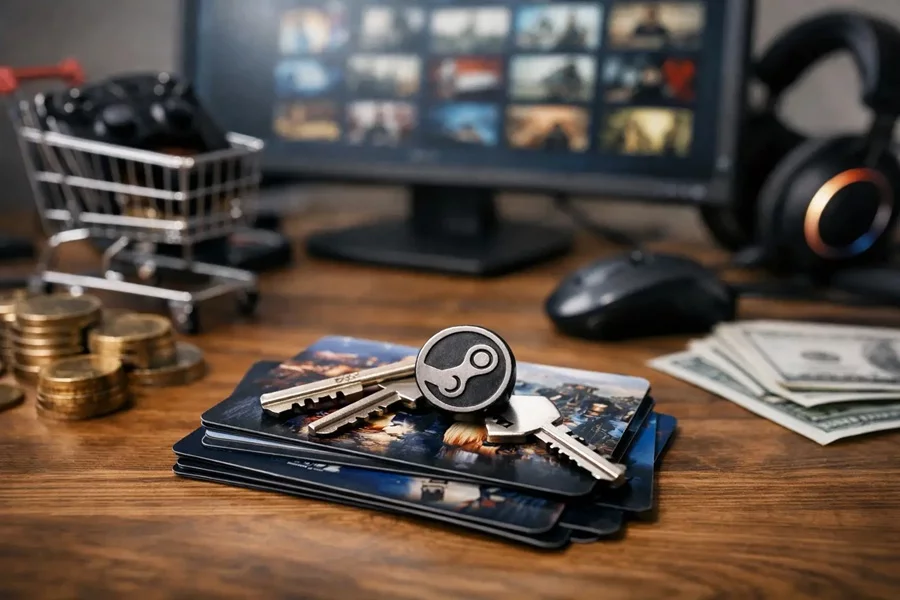
You usually find out where to buy Steam keys cheap right after seeing a full-price tag on a game that has been on your wishlist for months. The problem is not finding a lower price. The real problem is knowing whether that cheaper key is legitimate, works in your region, and arrives fast enough to make the discount worth it.
That is where most buyers split into two groups. One group chases the absolute lowest number and deals with delayed delivery, region issues, or keys that never activate. The other group pays a little more attention to the seller, the listing details, and the platform terms, and usually ends up with a better buying experience. If your goal is saving money without creating extra hassle, the second approach wins.
Where to buy Steam keys cheap without taking unnecessary risks
The best place to buy cheap Steam keys is a trusted digital marketplace that clearly shows the game title, edition, region, delivery method, and support options before checkout. Price matters, but transparency matters just as much. A low price means very little if the product page hides key details or the seller makes activation sound vague.
A good marketplace should make the buying path simple. You should be able to search by platform, compare editions, review current deals, check whether a key is global or region-limited, and complete checkout quickly. Fast digital delivery is part of the value. If you are buying a Steam key, you are probably not interested in waiting hours for manual processing unless the discount is unusually strong.
Selection also matters more than people think. Stores with broad inventory usually give you better chances of finding standard editions, deluxe editions, DLC, and older titles at competitive prices. That is especially useful if you are shopping around a seasonal sale and trying to compare several games at once instead of buying a single title.
What separates a cheap Steam key from a bad deal
Cheap does not always mean good value. A good deal is a working key from a seller with clear terms. A bad deal is any listing that forces you to guess what you are buying.
The first thing to check is region compatibility. Some Steam keys are global, while others only activate in specific countries or account regions. A key can be cheap for a reason. If it is locked to another region, you are not really looking at a usable discount. Always read the region note before paying.
The second factor is edition clarity. Many buyers rush through checkout and assume they are getting the full game when the listing is actually for DLC, a soundtrack bundle, or a different edition than expected. This is common when a product page is poorly organized. Clear naming and platform labeling save time and avoid refund disputes.
The third factor is delivery speed. Instant or near-instant delivery has real value, especially for digital goods. If a marketplace says delivery is instant, there should be a straightforward system behind that promise. If it says delivery may take several hours or requires manual verification, decide whether the extra wait is worth the lower price.
Finally, check support. Even reliable stores run into occasional issues with duplicate redemptions, payment checks, or buyer confusion around region locks. Trusted support is not just a nice extra. It is part of what makes a discounted purchase feel safe.
How to compare Steam key sellers the smart way
If you are trying to decide where to buy Steam keys cheap, compare stores using more than one number. Start with the total checkout price, not just the product headline price. Some marketplaces look cheaper until fees appear at the final step.
Then look at the product page quality. A serious seller should show the platform, activation method, region, edition, and stock status clearly. If that information is missing, the low price is doing too much work.
After that, evaluate the storefront itself. Does it focus on digital delivery? Does it offer categories across PC, console, gift cards, and software, or does it feel like a throwaway listing hub with limited structure? Established marketplaces usually invest more in account tools, order tracking, currency options, and support systems because they are built for repeat transactions, not one-off sales.
This is also where weekly deals and rotating offers come in. Sometimes the cheapest Steam key is not on the game page you first checked. It may show up inside a broader deals section, a flash promotion, or a featured publisher discount. Buyers who browse by both title and offer category tend to spot better prices.
Red flags to avoid when buying cheap Steam keys
The biggest red flag is a listing that is much cheaper than every other store with no explanation. Sometimes that happens because of regional pricing differences or a short-term sale. Sometimes it happens because the source is questionable. If the gap is extreme, slow down and verify the details.
Another warning sign is poor product labeling. If the seller does not clearly state whether the item is a Steam key, Steam gift, account, or DLC, move on. Digital products need precise descriptions. Ambiguity creates problems at activation.
Be careful with marketplaces that make support hard to reach. If there is no obvious account area, no order history, and no clear help channel, resolving an issue may be harder than the discount is worth.
You should also watch for region workarounds. If a listing seems to suggest using a VPN or changing account settings to activate a key, that is not a clean purchase path. The safest option is always buying a key intended for your region or one explicitly marked as global.
When the cheapest option is not the best option
There are times when spending a little more is the smarter move. New releases are a good example. If the difference between two stores is only a few dollars, the better choice is usually the marketplace with stronger delivery systems and clearer support. A failed activation on launch day costs more than the small extra savings.
The same goes for higher-value editions. If you are buying a deluxe version with season content or bonus items, accuracy matters. A marketplace with better listing standards reduces the chances of getting the wrong edition or missing content.
For older games, you can usually be more aggressive on price. Legacy titles, catalog games, and frequent sale items tend to appear across multiple marketplaces, so there is more room to hunt for a bargain. Even then, the lowest price should still meet the basics: correct region, correct edition, and fast key delivery.
Why deal seekers prefer digital marketplaces over full retail
The appeal is simple. Full retail stores often give you convenience but not the best price. Discount digital marketplaces give you broader selection, sharper pricing, and faster access if the store is built well.
That matters for gamers who buy regularly. If you are picking up a mix of Steam games, gift cards, software licenses, or other digital products across platforms, using one marketplace with organized categories and visible discounts saves time. You are not just looking for one cheap key. You are looking for a place that consistently offers good pricing and a smooth checkout experience.
That is why platforms like Playnox are built around selection, fast delivery, and price-driven browsing. For buyers who compare deals often, that structure matters. You can move from search to checkout quickly without wondering whether the listing is incomplete or the product details are hidden.
Where to buy Steam keys cheap if you want repeatable value
If your main goal is long-term savings, stop thinking only in terms of a single purchase. The best marketplace is the one that keeps delivering solid prices across different games, genres, and release windows. You want a seller that works well for impulse buys, planned wishlist purchases, and seasonal sale shopping.
Look for marketplaces with frequent promotions, visible stock, secure checkout, and a product catalog that is large enough to support real comparison. Those details make bargain hunting more efficient. They also reduce the odds of wasting time on unreliable listings that only look attractive at first glance.
A cheap Steam key should feel easy to buy, easy to activate, and easy to trust. If any one of those pieces is missing, the discount is weaker than it looks.
The best buying habit is simple: compare prices, read the listing carefully, and give extra weight to stores that make digital delivery fast and product details obvious. Saving money is the goal, but buying with confidence is what makes the deal worth it.