 English

Digital Game Codes Instant Delivery Explained
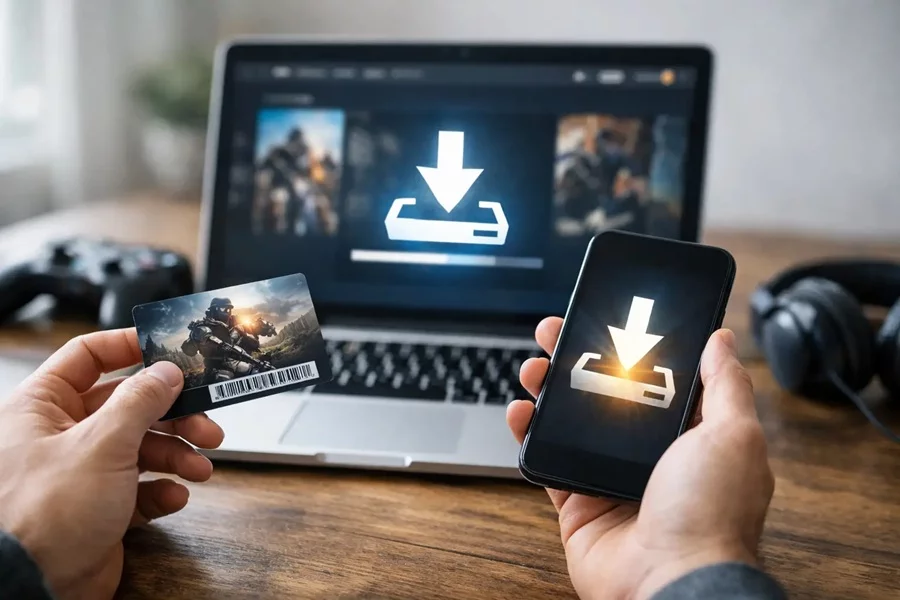
You find a game at the right price, check out, and want to start downloading it now - not tomorrow, not after a support ticket, and not after manual review that drags on for hours. That is why digital game codes instant delivery matters. For most buyers, the appeal is simple: pay less than full retail, receive the key fast, redeem it on the right platform, and move on.
But fast delivery is not just about speed. It is also about trust, stock quality, payment handling, and whether the store is built for digital-first buyers who expect a code within minutes. If you buy game keys, gift cards, software licenses, or subscription top-ups regularly, it helps to know what instant delivery really means, what can slow it down, and how to avoid buying mistakes.
What digital game codes instant delivery actually means
At the basic level, instant delivery means your code is sent automatically after a successful order. In most cases, that means the key appears on the order page, in your account area, by email, or through a combination of all three. The product is digital, so there is no shipping step and no physical inventory to wait for.
That said, "instant" does not always mean the same thing on every marketplace. On a well-run platform, it usually means automated fulfillment within seconds or minutes. On a weaker storefront, the product page may imply speed, but delivery still depends on stock syncing, seller response time, or payment confirmation. Buyers often assume all digital items work the same way. They do not.
This is especially true across categories. A standard PC game key is often easier to automate than a niche region-locked account, a limited stock skin, or a software license tied to specific activation rules. The more specialized the product, the more important the marketplace setup becomes.
Why buyers prefer digital game codes instant delivery
The first reason is obvious: convenience. If you are buying a new release, topping up your balance, or replacing an expired subscription, waiting defeats the point. Digital buyers usually shop because they want access now, whether that means loading a Steam library, redeeming a PlayStation code, or adding a gift card balance before a sale ends.
The second reason is price efficiency. Deal-seeking buyers are not just chasing speed. They are trying to combine lower pricing with immediate access. That is where digital marketplaces stand out. Instead of paying full MSRP in a first-party store, many shoppers compare options and buy discounted keys that still let them activate on major platforms.
The third reason is flexibility. A buyer may move between PC, Xbox, PlayStation, Nintendo, Battle.net, Epic Games, EA App, GOG, or the Microsoft Store in the same week. A broad marketplace with fast digital fulfillment saves time because it keeps those categories in one place.
What can delay delivery even on digital products
If a listing promises instant delivery, buyers expect no friction. In reality, a few common issues can slow things down.
Payment verification is one of the biggest. Some orders are flagged automatically for fraud prevention, especially if the billing details do not match, the order value is unusual, or the payment method triggers extra checks. That protects both the customer and the seller, but it can turn a fast order into a delayed one.
Stock availability also matters. Some stores show a product as available when the inventory feed is lagging behind. Others depend on third-party sellers, and the key may not be truly ready for automated handoff. A clean product page and a good price are not enough if fulfillment is poorly managed behind the scenes.
Region and platform mismatches cause another kind of delay. The code may arrive quickly, but if it does not match your account region or platform, your real access is delayed because now you are dealing with redemption problems. For the buyer, that feels like failed delivery even if the code technically arrived on time.
How to buy faster without creating problems later
Speed starts before checkout. The best buyers are not only quick - they are careful in the right places.
First, verify the platform. A cheap code is only cheap if you can actually redeem it. Steam, Xbox, PlayStation, Nintendo, Epic Games, and Battle.net all have different ecosystems, and product pages should make that clear. If the listing is vague, that is already a warning sign.
Second, check region details before paying. Some digital products are global, some are US-only, and some are tied to Europe, Latin America, or a specific account country. If you skip that step, you may end up with a code that arrives instantly but does not work for your account.
Third, use an email address you can access immediately and create an account if the marketplace stores your purchases in a dashboard. That gives you two retrieval paths for your code instead of one. It also makes support easier if you ever need order verification.
Finally, watch the wording around delivery. "Instant delivery," "auto delivery," and "fast delivery" are not always interchangeable. Instant usually signals automation. Fast may simply mean the order is handled quickly, which is different.
Cheap keys and trusted delivery can work together
A lot of buyers assume there is a trade-off between low prices and reliable delivery. Sometimes that is true. If a storefront undercuts every competitor but has weak stock control or poor support, the savings disappear the moment something goes wrong.
But low pricing and trusted fulfillment can absolutely work together when the marketplace is built for volume. That usually means broad inventory, automated code handling, clear platform categories, and support that can step in when an order needs review. For high-frequency digital stores, efficiency is part of the business model, not an extra feature.
This is where marketplace design matters more than flashy branding. Buyers want to sort by platform, compare offers, spot weekly deals, and complete checkout without confusion. When the catalog is organized properly, the product pages are specific, and the delivery system is stable, the shopping experience feels faster even before the code is sent.
What to look for in a store selling digital game codes instant delivery
A strong marketplace does a few things well. It shows clear platform labels, region information, stock status, and realistic pricing. It also gives buyers a simple path from product page to checkout to code access.
Good support matters too, even when most orders are automated. Instant delivery works best when it rarely needs intervention, but buyers still want trusted support if an activation problem comes up. That is especially important for products outside standard game keys, such as software licenses, gift cards, subscriptions, or digital accounts.
Selection is another sign of maturity. A store that handles only a narrow slice of products may still be reliable, but a broader catalog often reflects stronger infrastructure. When a marketplace can support games, gift cards, software, subscriptions, and cross-platform activations at scale, it usually has more experience managing digital inventory properly. That is one reason buyers use platforms like Playnox when they want discounted digital goods in one place rather than bouncing across multiple sellers.
The security side of instant delivery
Fast checkout should never mean careless checkout. Digital products are a common target for fraud, chargebacks, and account abuse, so a serious marketplace has to balance speed with protection.
For buyers, that means using accurate billing information, keeping account credentials secure, and saving order confirmations. If a store asks for extra verification on a high-risk order, that can be frustrating, but it is often a sign the platform is filtering suspicious activity instead of pushing every payment straight through.
Security also includes post-purchase behavior. Redeem your code promptly, store your purchase records, and make sure you are logged into the correct platform account before activation. A surprising number of support issues come from customers redeeming a code on the wrong account, wrong region, or wrong storefront.
Why instant delivery matters beyond games
The same buying logic applies to gift cards, software licenses, and subscription products. If you need a Windows key for a new build, a Discord or Netflix gift card, or a balance top-up before a time-sensitive purchase, delayed delivery reduces the value of buying digital in the first place.
That is why experienced buyers increasingly look for one marketplace that can cover both entertainment and practical software needs. The convenience is not just about getting a game faster. It is about reducing the time spent searching, comparing, and managing purchases across too many sites.
For deal-focused shoppers, the best purchase is not simply the cheapest listing. It is the listing that combines a real discount, correct platform and region info, fast fulfillment, and support that actually responds if something needs attention. That is what makes digital purchasing feel efficient instead of risky.
If you are shopping for discounted keys, treat speed as one part of value, not the whole thing. The right code at the right price, delivered fast and backed by clear product info, is what makes digital buying worth repeating.