 English

What Makes a Safe Game Key Store? A Complete Buyer’s Guide
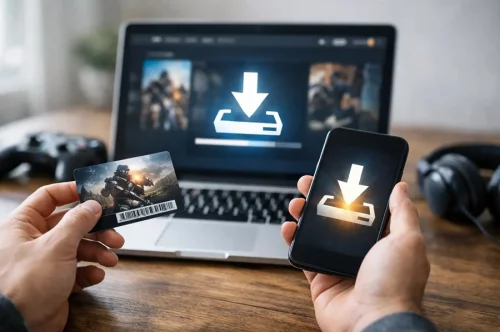
A low price can save you money right away, but one bad key can waste hours in support tickets, payment disputes, and account stress. If you are trying to find a safe game key store, the real goal is not just getting a cheaper code. It is getting a key that activates properly, arrives fast, matches your region and platform, and comes from a seller that will still respond if something goes wrong.
That is where a lot of buyers get tripped up. They compare stores by price alone, then realize too late that the cheapest listing was missing important details. A key might be locked to a different country, require a specific launcher, exclude DLC, or come from a seller with weak after-sale support. Saving a few dollars is great. Losing access, time, or peace of mind is not.
What makes a safe game key store
A safe game key store does a few basic things well, and they are easy to recognize once you know what to check. First, product pages should be clear. You should see the platform, edition, region, activation method, and delivery expectations before checkout. If those details are vague, buried, or inconsistent, that is a warning sign.
Second, the store should make the buying process feel controlled rather than confusing. You want visible pricing, a stable checkout flow, common payment methods, and a clear account area where you can view orders and delivery status. For digital products, speed matters, but transparency matters more. Fast delivery means little if you are left guessing what you actually bought.
Third, support should be easy to find before you need it. A trustworthy marketplace does not hide behind silence. It shows buyers how to get help with activation issues, duplicate keys, failed deliveries, or refund questions. That does not mean every problem gets solved instantly. It means there is a real process when something needs attention.
Price matters, but context matters more
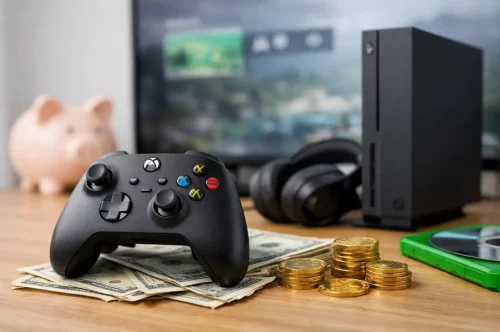
Discounts are the reason many people shop outside first-party stores in the first place. That is normal. Students, PC gamers building large libraries, and console players stocking up on subscriptions or gift cards are all looking for value. But the right comparison is not simply cheapest versus most expensive. It is verified value versus uncertain value.
A strong deal usually comes with complete information. You know whether the key is for Steam, Xbox, PlayStation, Nintendo, EA App, Epic Games, or another launcher. You know if it is a standard edition or a bundle. You know if it works in the US or only in a different region. That context protects the purchase.
When listings skip those basics, the deal gets weaker even if the sticker price looks better. Cheap keys can still be smart buys, but only when the store gives buyers enough detail to make a confident decision.
How to evaluate a store before you buy
The fastest way to judge a store is to read the product page like you are trying to prove it wrong. Check whether the platform is stated clearly. Confirm the region. Look for language around account delivery versus key delivery, because those are not the same product type. If you are buying software, verify the version, activation format, and any limitations on device count or duration.
Then look at how the store handles expectations. Does it promise instant delivery on every item, or does it leave room for stock checks and manual review on some products? Honest stores do not need every listing to sound identical. They need each listing to sound accurate.
You should also check whether the storefront feels built for repeat buyers. Useful signs include currency selection, a clear cart, account management, wishlist tools, and multilingual support for international users. Those features do not guarantee safety on their own, but they often signal that the business is set up for volume, not one-off opportunism.
Red flags that buyers should not ignore
Some problems show up before checkout if you pay attention. One red flag is inconsistent product naming. If the title says one edition and the description says another, stop there. Another is missing activation instructions. A store that sells digital keys at scale should know that buyers need exact platform guidance.
Watch for unrealistic discounts on brand-new releases, especially if the listing offers almost no detail. Deep discounts happen, but they still need a believable product page behind them. The same goes for vague region language like worldwide where platform restrictions may still apply.
Another issue is poor support visibility. If you cannot quickly tell how to contact the seller, what happens with failed delivery, or whether there is any dispute process, the risk goes up. Digital goods move fast. Problems also move fast. Buyers need a store that is built to respond.
Why marketplace structure can help or hurt
Not every store operates the same way. Some are direct retailers. Others work as marketplaces with multiple sellers. Neither model is automatically better. What matters is how well the platform manages listings, order flow, and support.
A marketplace can offer broader selection, lower pricing, and access to hard-to-find items across games, gift cards, software, skins, and subscriptions. That is a real advantage for buyers who want one account and one checkout path for multiple digital categories. But because inventory can come from more than one source, the platform needs strong listing standards and a reliable support process.
This is where store design matters. If the marketplace makes it easy to identify what you are buying, surfaces platform and region details clearly, and provides trusted support when issues appear, it can be a practical option for buyers who care about both selection and price.
A safe game key store should fit how you actually buy
Different buyers need different kinds of reassurance. A PC gamer buying Steam keys every month cares about fast delivery, launcher accuracy, and deal quality across genres. A console buyer may care more about wallet top-ups, subscription codes, and region compatibility. A software buyer wants license clarity, version details, and activation instructions that do not create extra work.
That is why a safe game key store should not just be safe in theory. It should be usable in real shopping conditions. You should be able to browse by platform, compare prices quickly, and move from product discovery to checkout without second-guessing basic facts. The store should reduce friction, not add more of it.
For buyers who regularly shop across gaming and software categories, wider catalog coverage can also improve confidence. If one storefront handles game keys, gift cards, operating systems, office tools, antivirus products, and other digital licenses in a structured way, it often reflects a more mature e-commerce setup. Playnox, for example, is built around that kind of broad digital catalog with fast delivery, marketplace pricing, and trusted support as the core value.
The best buying habit is simple
Before you buy, match four things every time: platform, region, edition, and delivery type. That quick check prevents most avoidable mistakes. It matters more than chasing the absolute lowest price on the page.
After that, think like a repeat customer rather than a one-time bargain hunter. Ask whether you would trust the same store with your next purchase. If the answer is yes because the listing is clear, the checkout feels secure, and support is visible, that is usually a better sign than any marketing claim.
When paying more is actually cheaper
There are cases where the second-cheapest listing is the smarter buy. Maybe it includes clearer activation instructions. Maybe the region match is confirmed instead of implied. Maybe the store has a better process for handling delivery issues. Those details have value because they reduce the chance of a failed purchase.
That is the trade-off buyers should keep in mind. The goal is not to avoid discounts. The goal is to avoid avoidable risk. A store can be cheap and dependable at the same time, but only if it treats product accuracy and support as part of the offer.
If you want a good rule to follow, buy from stores that make you feel informed before checkout, not reassured afterward. That is usually where the best deals hold up.